







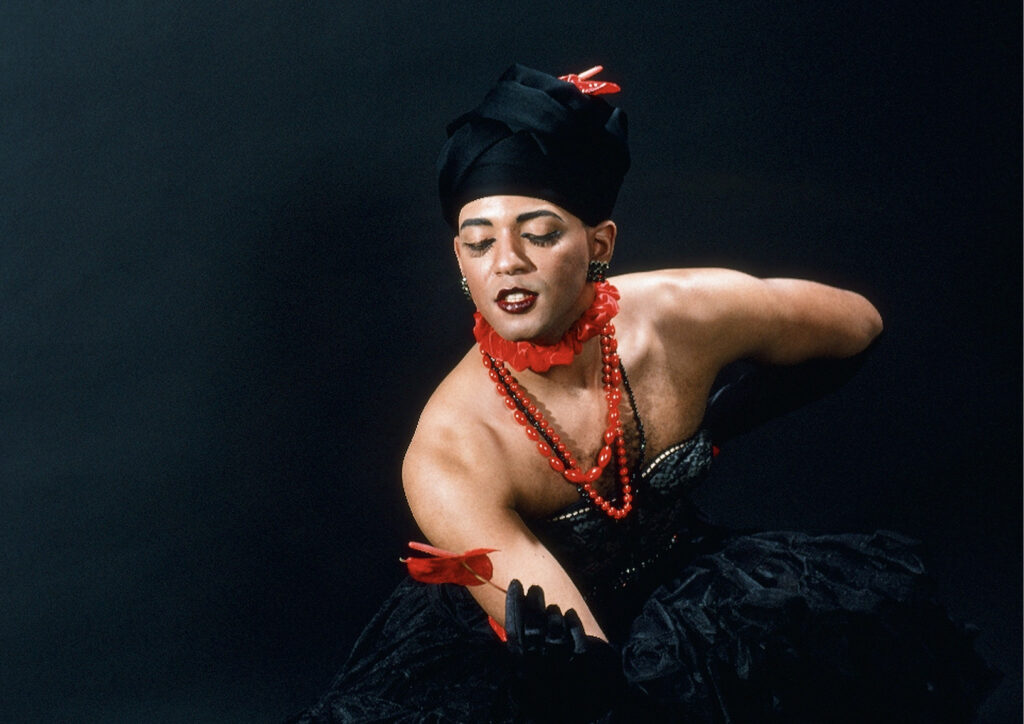
Assotto Saint was not just a poet. He was a movement. Born Yves François Lubin on October 2, 1957, in Les Cayes, Haiti, Assotto Saint would grow up to become one of the most fearless Black queer voices of his generation. His name, inspired by the Vodou drum “Assotor” and the Christian saint tradition, reflected his belief in duality, faith, and rhythm, everything that defined both his life and his art.
In the late 1970s, he emigrated to the United States, eventually settling in New York City, where he immersed himself in the heart of the LGBTQ+ and artistic communities. There, he became known for his electrifying performances and his ability to blend poetry, politics, and passion. Through his art, he gave voice to what many feared to say out loud: the pain, pride, and power of living as a Black gay man during the height of the AIDS crisis.
Assotto Saint was one of the first Haitian-born artists to publicly disclose his HIV-positive status. In a time when such honesty often led to isolation and discrimination, his openness was an act of defiance. He transformed personal pain into art that demanded empathy. Through his poetry collections, performances, and essays, he addressed the fear surrounding AIDS and the indifference society showed toward those dying from it. His words were fierce, intimate, and revolutionary.
He was also an advocate for Black queer representation in literature and publishing. Through his imprint, Galiens Press, he provided a platform for underrepresented voices, particularly other gay writers of color whose stories had been ignored by mainstream publishing. For Assotto, visibility was survival, and art was both weapon and shield.
In 1994, after years of living openly with HIV, Assotto Saint passed away at the age of 36. Even in death, his influence continued to grow. His legacy stands not only in his writing but in the courage he showed by refusing to hide who he was. He became a symbol of strength, creativity, and truth in the face of illness and stigma.
On this World AIDS Day, remembering Assotto Saint means more than looking back. It means acknowledging the power of art in the fight against silence. He taught the world that visibility is resistance, and that even when the body weakens, the voice can still rise louder than fear.


