





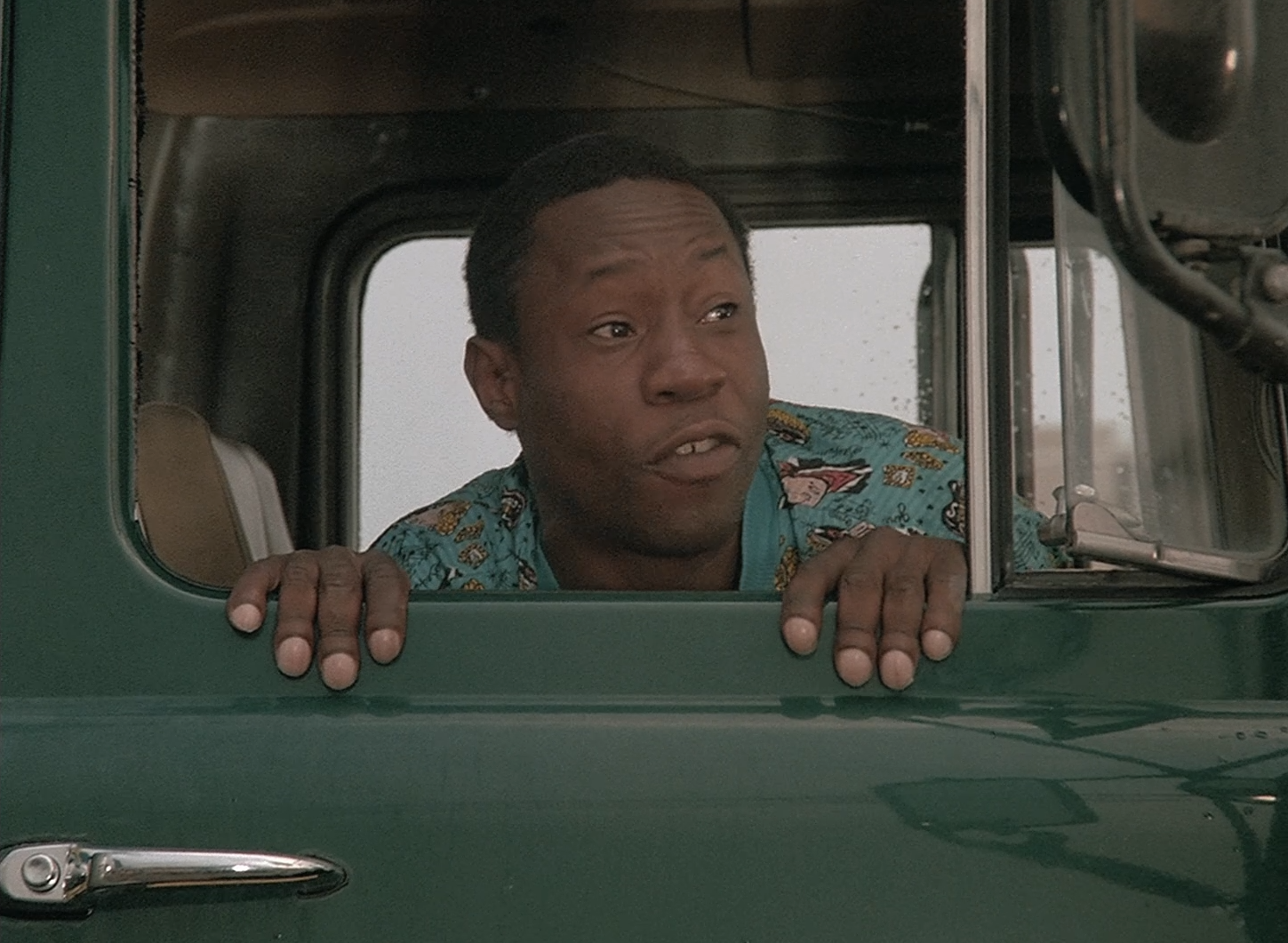
World AIDS Day is a time to remember those who were lost too soon and to honor those who lived bravely despite the stigma that surrounded HIV and AIDS. Among those voices was comedian and actor Charlie Barnett, a man whose humor could fill an entire park with laughter but whose struggle with addiction and illness reflected the harsh realities of his time.

Charlie Barnett was born on September 23, 1954, in Bluefield, West Virginia, and grew up in Chicago. His story was one of talent, struggle, and survival. Known for his raw comedic energy and street performances in New York City’s Washington Square Park, he drew massive crowds that came to hear him turn pain into punchlines. For many, he represented the heart of unfiltered, street-level comedy. His humor was fast, fearless, and deeply human.
But behind the charisma and quick wit was a man facing private battles that few could see. Barnett’s success in film and television, including Miami Vice and Def Comedy Jam, could not protect him from the challenges that came with fame, addiction, and an illness that was still widely misunderstood. In the 1980s and early 1990s, HIV was heavily stigmatized. People living with the virus were often rejected, discriminated against, and silenced. Barnett, like many others in the entertainment industry, lived in that silence.
Barnett’s struggle with heroin use led to his infection with HIV, a reality that shadowed his final years. Yet even as his health declined, he never abandoned his art. He continued to perform, joke, and speak openly about life and death, using laughter as a form of truth-telling. In a time when many feared to even mention the word AIDS, Charlie Barnett’s willingness to live honestly made him quietly revolutionary.
He passed away on March 16, 1996, at just 41 years old. His death came at a time when conversations about HIV were only beginning to shift from fear to understanding. He may not have been a political activist, but through his visibility, his flaws, and his unfiltered honesty, he gave a face to a reality many chose to ignore.
Today, as we mark World AIDS Day, Charlie Barnett’s story reminds us of a generation of artists who were lost too soon but who helped humanize the epidemic. They showed that HIV was not a moral failure, but a public health issue that required compassion, education, and care.
Barnett’s legacy is more than laughter; it is courage. He lived in a time when having HIV meant being outcast, yet he kept performing, kept fighting, and kept being himself. His story urges us to break the silence, to support those living with HIV, and to remember that behind every diagnosis is a person with dreams, humor, and heart.
World AIDS Day is not just about statistics. It’s about stories like Charlie Barnett’s, stories that remind us that love, truth, and humanity can outlive even the harshest stigma.