





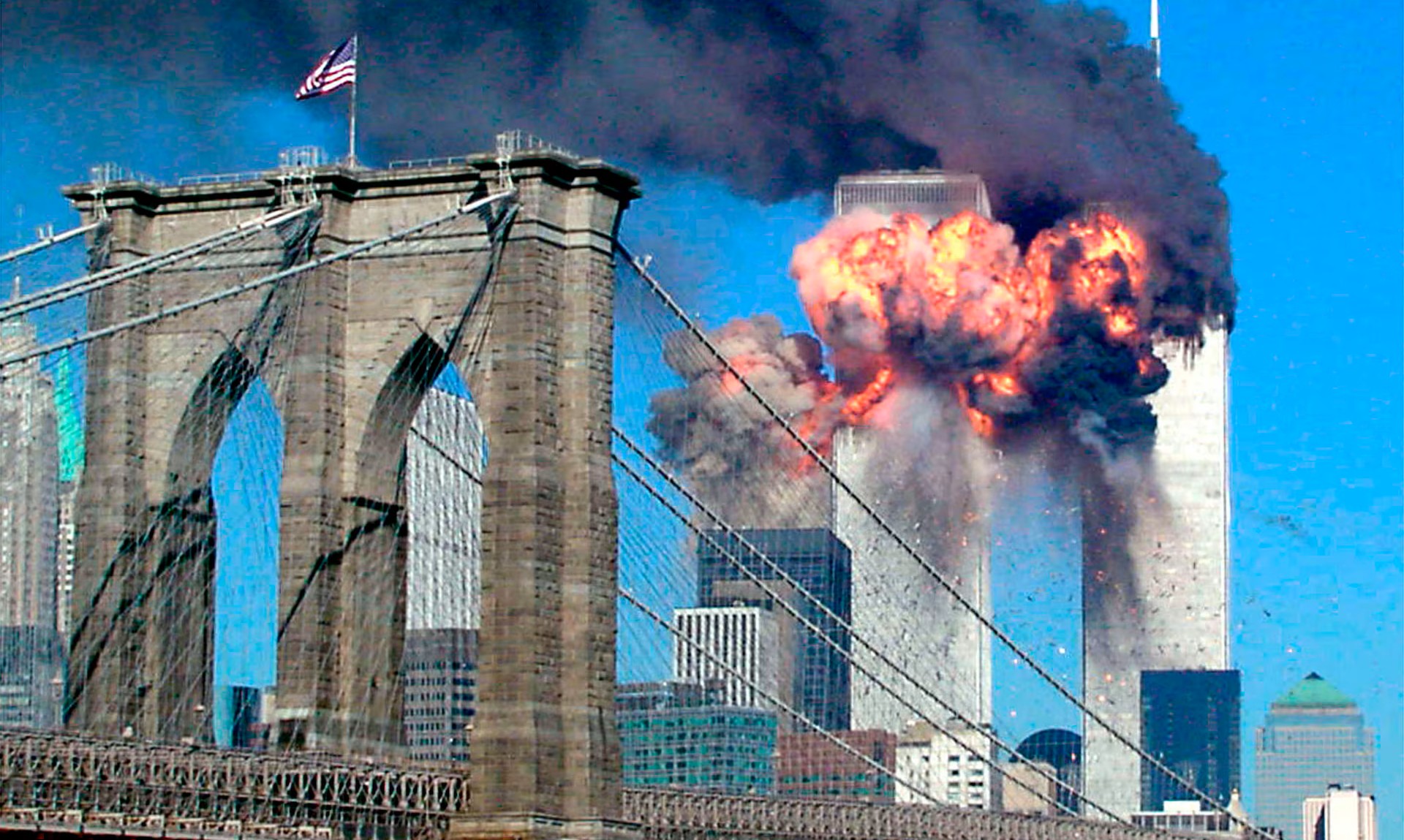
September 11, 2001, will forever stand as one of the darkest days in American history. Nearly 3,000 lives were lost in New York City, Washington D.C., and Pennsylvania as hijacked planes tore through our sense of safety and into our collective memory. In an instant, families were shattered, first responders gave their lives without hesitation, and a city known for its toughness became a city united in grief and resilience. New Yorkers lined up to give blood, brought food to firehouses, consoled strangers on the street, and reminded the world that even in tragedy, solidarity and compassion could prevail.
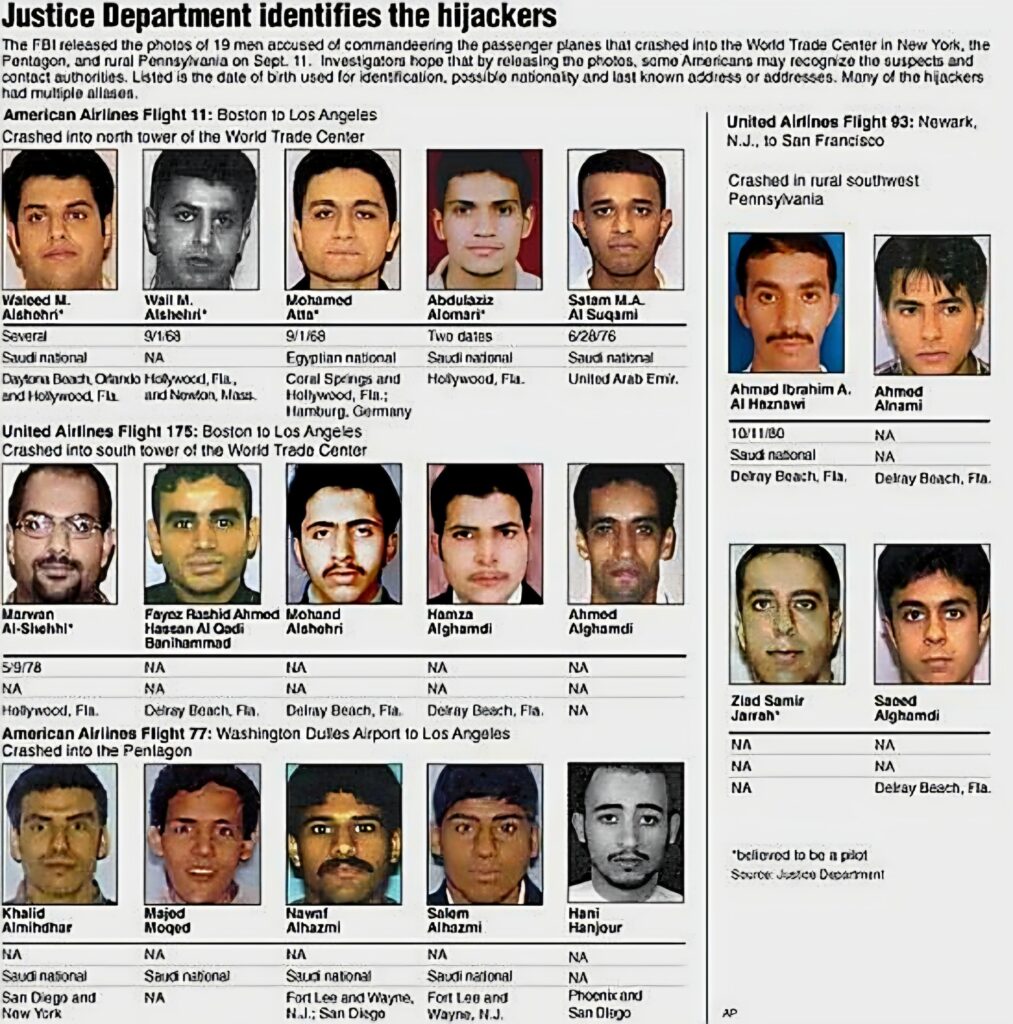

But the story of 9/11 did not end with the towers falling. In its aftermath, promises and justifications were made, chief among them that America’s entry into the Iraq War was to stop the threat of weapons of mass destruction. To this day, no such weapons were ever found. Yet countless lives were lost on both sides, American soldiers sent overseas, Iraqi civilians caught in crossfire, and families left with scars that will never heal. The war became a cycle of grief that expanded far beyond our borders, fueled by decisions that put politics before truth, and power before people.
A Timeline of Tragedy and Aftermath
-
February 26, 1993: The first bombing of the World Trade Center, carried out by extremists based on U.S. soil, killed six and injured more than a thousand. It was a grim warning that New York City would remain a symbol, and therefore a target.
-
September 11, 2001: Two planes struck the Twin Towers in Lower Manhattan, one hit the Pentagon, and another crashed in Pennsylvania after brave passengers resisted. Nearly 3,000 lives were lost, and the New York skyline and the world were changed forever.
-
2003: The United States invaded Iraq under the claim of eliminating weapons of mass destruction. The promise was never fulfilled. No such weapons were uncovered. The war instead unleashed chaos, instability, and mass casualties that continue to haunt global politics today.
-
2011: The death of Osama bin Laden was declared a form of justice, but the wars, displacements, and violence born from 9/11 carried on.
-
Today: New York continues to bear the scars. Memorials stand, families grieve, and yet, the city carries forward. But the questions remain, what was gained, and at what cost?
New York: Forever the Target, Forever Resilient
New York City has always represented more than steel and skyscrapers. It represents diversity, ambition, resilience, and a spirit that refuses to be broken. That is precisely why it has so often been the target. From the 1993 bombing to the devastating attacks of 2001, New Yorkers have carried the burden of being on the frontlines of terror. Yet time and time again, the city has shown the world that unity is its greatest defense.
A Call to World Leaders
As we mark another September 11, the responsibility falls not just on citizens, but on leaders across the globe. Wars waged in the name of false promises must not be repeated. Human lives should never be treated as disposable pieces on a political chessboard. Leaders from Washington to Moscow, from the Middle East to the Caribbean, must put human life before power, dialogue before destruction, and peace before politics.
The memory of those we lost demands it. The soldiers who never returned home demand it. The families still searching for answers demand it.
Let 9/11 not only be a day of mourning but also a reminder of what happens when truth is abandoned and lives are treated as expendable. To honor the fallen, we must demand peace, accountability, and above all, humanity first.
Because in the end, history will not judge leaders by how many wars they fought, but by how many lives they protected.